
Article by Meagan Fastuca
Tara Reynolds, the career and technical education program manager for Utah’s Hogle Zoo in Salt Lake City, began monitoring through the Monarch Larva Monitoring Project in 2025 after discovering the program and realizing it aligned perfectly with the conservation work she was already doing at the zoo.
She was looking for ways to expand the zoo’s monarch conservation efforts. She loved that MLMP combined habitat conservation with scientific research and community science, and found it provided the perfect opportunity to involve both staff and teen volunteers in work that contributes to monarch conservation on a much larger scale.
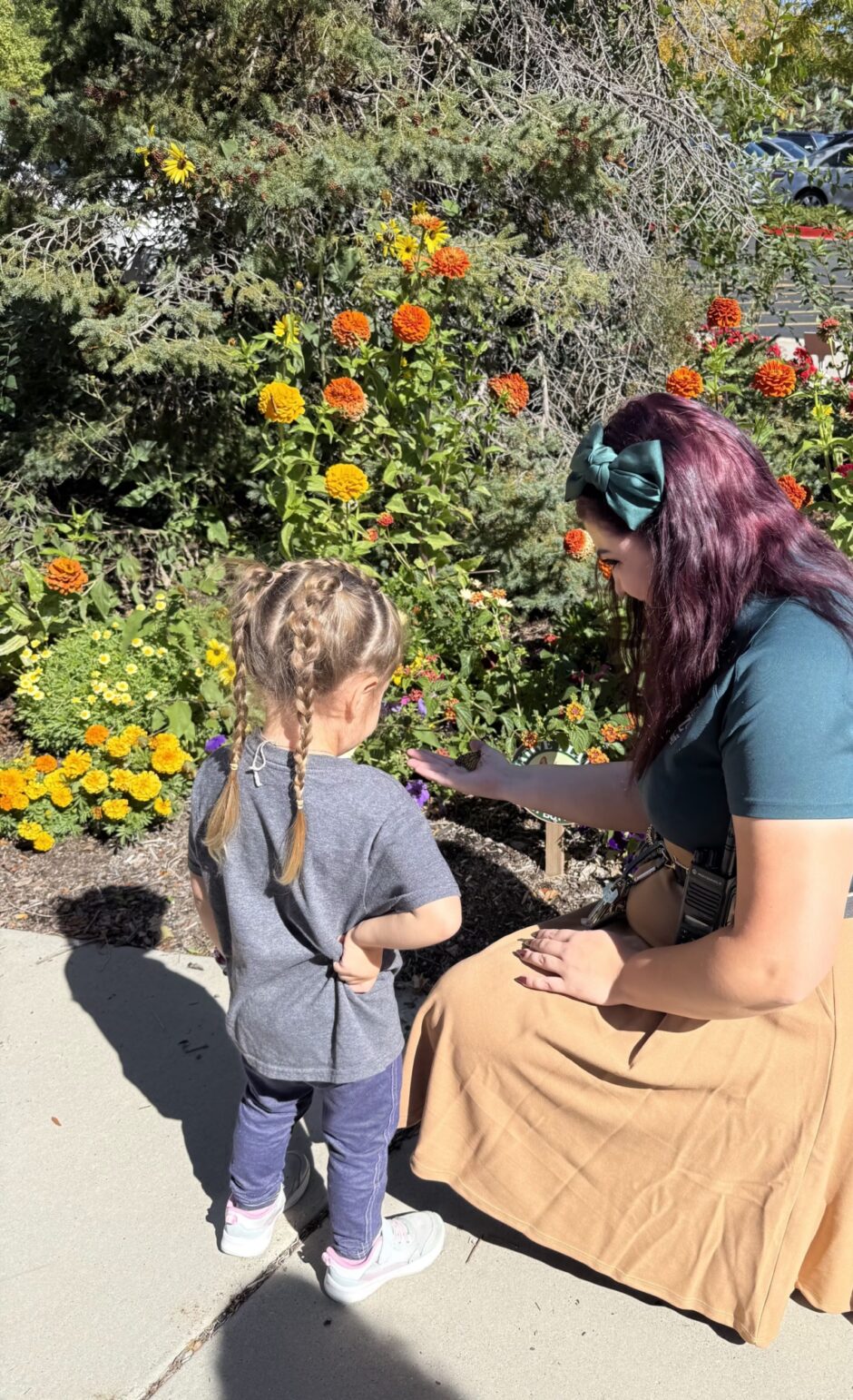
Tara oversees monarch conservation at the zoo but has help from staff, students, and Zoo Corps volunteers throughout the summer. At the zoo, over 10,000 square feet of monarch habitat has been created or enhanced through pollinator gardens in the past few years. This habitat includes multiple species of milkweed (showy, swamp, narrowleaf, and butterfly weed), as well as other native pollinator plants like penstemons and orchids.
Tara and her team monitor several monarch habitat sites located throughout the zoo grounds, and the primary monitoring location includes their Pollinator Parking Lot Project. They transformed underutilized landscaping islands in the main guest parking lot into meaningful conservation habitat, including thriving pollinator gardens filled with multiple species of milkweed and companion nectar plants. In 2025, they had over 250 documented monarch sightings in these parking lot gardens. The team also sustainably harvests native seeds from these gardens, including milkweed and 20 other native pollinator plant species, that are processed by volunteers and assembled into mini monarch garden seed packets, which are given away to the local community. They also plan to expand the habitat into the zoo’s overflow and employee parking lots. These projects not only provide valuable habitat for monarchs and other pollinators, but also demonstrate that conservation can happen almost anywhere, even in places people might otherwise overlook!
It’s not only the staff participating in MLMP at the zoo. Zoo Corps teen volunteer students also participate through the zoo’s Career and Technical Education (CTE) partnerships. The partnerships start out during the school year, when students learn about monarch biology, habitat, and the importance of native plants before growing milkweed and other pollinator-friendly species in the greenhouses at their schools. At the end of the school year, they visit the zoo to complete a service project, planting the plants they grew to create the gardens that will become monarch habitat in the zoo’s parking lot pollinator spaces.
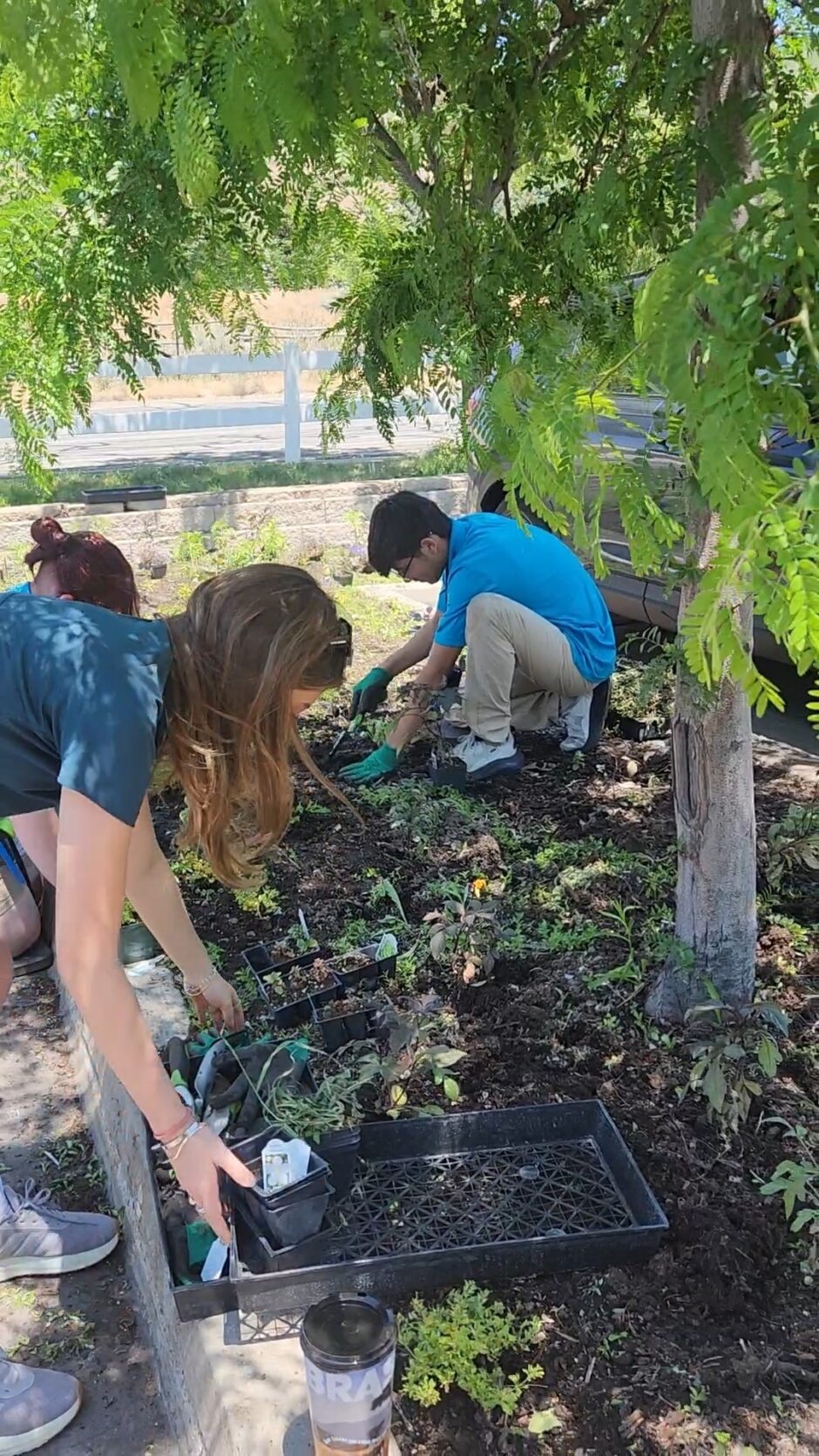
Throughout the summer, the Zoo Corps teens take over as the stewards of those habitats, monitoring milkweed, searching for eggs and caterpillars, recording observations for the MLMP, and helping maintain the gardens. Tara feels it's incredibly rewarding to see one group of students create the habitat and another group continue its care, all while contributing to real community science. She also believes that watching these teens become excited about finding their first monarch egg, or confidently identifying different species of native plants, has been one of the most rewarding parts of the program. Many students begin their experience at the zoo knowing very little about monarchs and finish the season teaching zoo guests, friends, and family members about monarch conservation themselves.
One of Tara’s favorite things about their pollinator gardens is that they're highly visible to zoo guests, and outreach opportunities are numerous. Every monarch egg, caterpillar, chrysalis, or butterfly becomes an opportunity to share conservation with thousands of visitors who may have never noticed these incredible insects before, and sharing is a big part of what they do as a public zoo. The staff and volunteers are constantly talking with guests when monitoring for monarchs, since visitors are naturally curious when they see staff carefully inspecting milkweed plants or taking pictures of insects. Those conversations often turn into wonderful opportunities to teach guests about the monarch life cycle, why milkweed is so important, and simple ways they can help pollinators at home. Some of Tara’s favorite moments are when guests reveal they've planted milkweed because they were inspired by a conversation with someone working on MLMP.
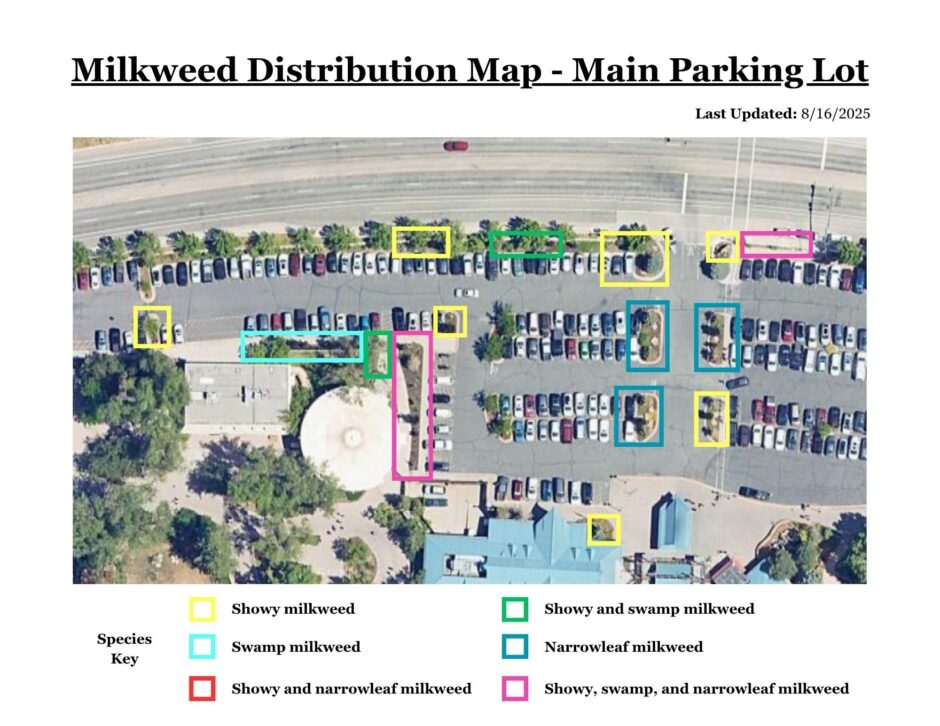
Another development that came from participation in MLMP at the zoo is the opportunity for further research. One of the most interesting observations made while monitoring was the monarchs' preference for certain milkweed species. Last season, the vast majority of monarch eggs were found on swamp and narrowleaf milkweeds, not on showy milkweed plants. What made this especially interesting was that these species were often planted right next to each other, yet the showy milkweed was frequently overlooked despite being abundant and healthy. That observation raised a lot of questions for Tara and her team, and they were able to partner with a local university to involve students in investigating why monarchs might be showing this preference at this site. Tara has been excited to see how simple field observations from routine monitoring have grown into a collaborative research opportunity, and everyone is eager to see the results.
One of the things Tara loves most about the MLMP is that it makes conservation accessible. You don't have to be a professional researcher to make meaningful contributions. From those monitoring a large restoration site, a botanical garden, or just a few milkweed plants in a backyard, every observation helps build a better understanding of monarch populations. Anyone can be a champion for wildlife. Participating in the MLMP has given her team’s work an even greater purpose. They are not only creating habitat but are also helping answer important scientific questions about monarch populations while engaging the community in local conservation. Tara is incredibly grateful to be part of this community and excited to continue growing the program at Utah’s Hogle Zoo, including tagging monarchs this fall, which will allow their work to contribute another piece to the monarch conservation story!
Back to all articles