
Article by Meagan Fastuca
Butterfly Pavilion in Westminster, Colorado, is the first stand-alone, Association of Zoos and Aquariums-accredited non-profit invertebrate zoo in the world dedicated to invertebrate conservation. Across the Front Range region, the Butterfly Pavilion is recognized as “the expert” on pollinators, pollinator habitat restoration, and conservation. It is made up of many dedicated individuals working together on monarch and pollinator conservation, including greatly increasing Monarch Larva Monitoring Project participation in the region.
When long-time MLMP trainer Liz Goehring moved to Colorado in 2011 and wondered about the monarch’s use of this western edge for breeding, the obvious first stop was the Butterfly Pavilion. Amy Yarger, Butterfly Pavilion’s senior director of horticulture, explained that monarchs were typically seen (and tagged!) migrating through Colorado in August and September, but little else was known about their breeding patterns.
With a strong commitment to community science at the Butterfly Pavilion, Amy was eager to team up and start offering MLMP trainings to their network of volunteers and the public. Amy brought in other staff, including Lepidopterist Shiran Herschovich and Community Habitats Manager Ashley White, and together, they began recruiting monarch-curious individuals and training dozens of Colorado volunteers.
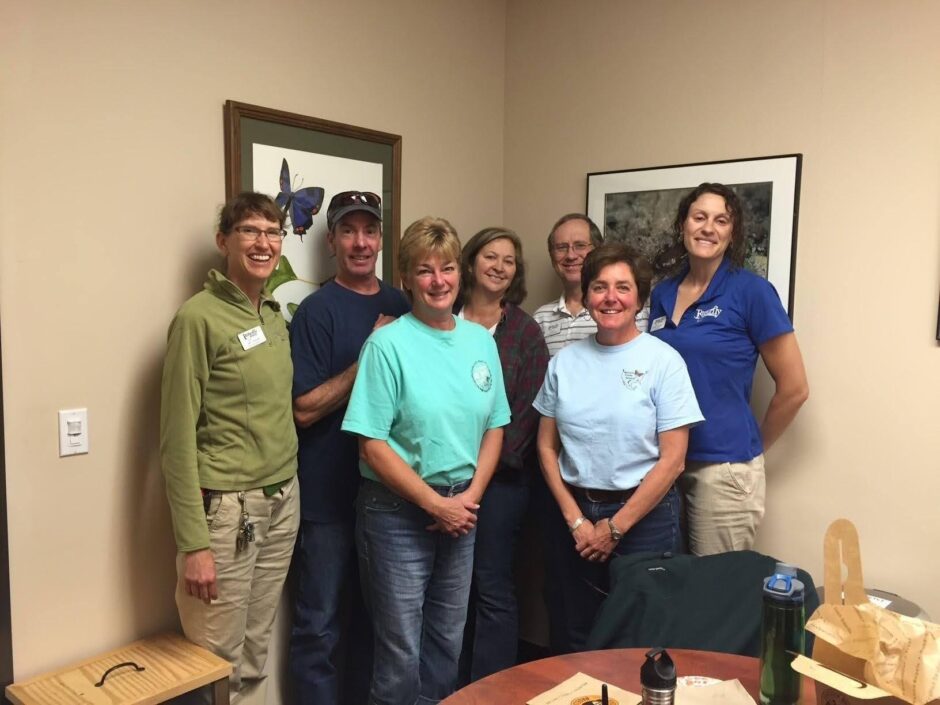
Pollinator expertise runs deep at the Butterfly Pavilion. Amy is one of the state’s leaders in pollinator conservation, co-organizing the annual Colorado Pollinator Summit. She also developed the first Pollinator District Certification Program, offering consulting services to municipalities to conserve and improve pollinator habitat. Shiran is the Butterfly Pavilion’s current lepidopterist, managing their tropical butterfly conservatory while also conducting research on endangered species around the world and leading the Colorado Butterfly Monitoring Network program. She is also heavily involved in monarch conservation with an AZA-funded project to support reforestation efforts in the Monarch Butterfly Biosphere Reserve in Mexico. Ashley leads the Urban Prairies Project training Restoration Master Volunteers in principles of prairie restoration in urban and suburban areas to improve the ecological health of these spaces. MLMP found a real partner working with the staff of the Butterfly Pavilion, reaching people from Fort Collins down to Fountain, Colorado.
In addition to spreading the word about the MLMP, the Butterfly Pavilion established its own MLMP site, the Nature Trail, a restored prairie on the Butterfly Pavilion’s campus, and has had one of its long-time volunteers, Steve Chady, monitoring it for over a decade. The site has undergone several disturbances over the years, including a temporary shutdown due to a bubonic plague outbreak in the prairie dog population, but Steve has persevered. In some years, Steve has monitored weekly only to find no monarchs, but he has continued his efforts. Steve is a retired software developer who found his passion working in the Conservatory, teaching visitors about butterfly life histories, and he had the good fortune to visit the monarch’s overwintering habitat in Mexico in 2018. Steve’s wife, Mary Pat, a retired teacher and dedicated Butterfly Pavilion volunteer and monarch lover, keeps an eye out for monarchs from their home MLMP milkweed patch.
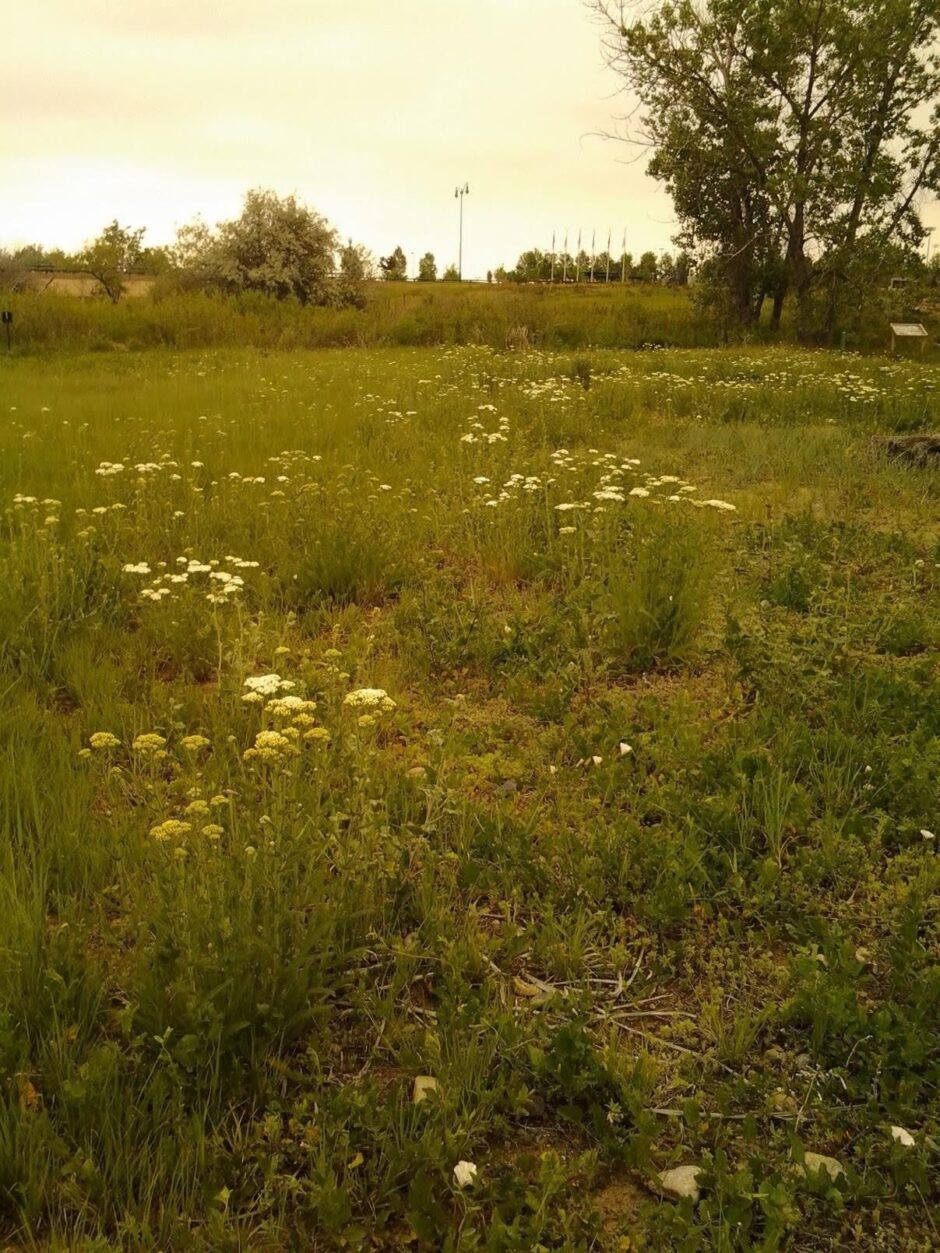
Monitoring in Colorado is a true “labor of love” since monarchs are far less common than in the East. Most years, Colorado volunteers look at 100 plants before finding a few eggs! But thanks to the network of MLMP volunteers trained through the Butterfly Pavilion, we know now that monarchs do use this western edge for breeding, with some years more productive than others.
Back to all articles