
It’s the beginning of July, and the summer breeding season is well underway. This is a great time for a few important monitoring tips!
At this point in the season, you should be monitoring weekly when possible. Consistent monitoring helps to provide the best picture of your site. Of course, if you need to skip a week here and there, that’s no problem! The benefit of having so many volunteers is that we’ll still have a good big picture of your region.
During the middle of your season, don’t forget to record your milkweed density, an activity that is done once a year. If you monitor all of the milkweeds on your site, this is pretty straightforward. Pick a time in the middle of the season when you feel the majority of your milkweeds are up, count the plants, and record that information along with the area of your site. If your site is too large to easily count all of the milkweed plants, you will randomly sample one-meter square plots to obtain plant density data, counting the number of milkweed plants in 100 squares. Learn more about monitoring milkweed density here.
Whether you're seeing monarchs frequently or they haven’t graced your monitoring site yet, remember that zero is still an important number when it comes to data! Reports with no monarchs tell us a lot about where monarchs are or are not throughout the year, so please keep recording and entering those zeroes.
Finally, don’t forget your milkweed may be home to more than just monarchs, and that’s OK. You may encounter milkweed tussock months, milkweed beetles, milkweed bugs, aphids, and more! You are welcome to add descriptions of what you see to the notes section of your datasheet.
As always, happy monitoring. And stay in touch; we love to hear from you!
Dead eggs, how to record, and the mysteries of their demise
A female monarch can lay 300-500 eggs over two to five weeks. We are lucky to catch a glimpse of just a few of those eggs. But sometimes the outcome isn’t exactly what we'd like to see. Recently, the MLMP monitoring team at Brevard Zoo and Alyssa Rice shared the photos below while determining when to denote a dead egg versus a live egg. Let’s take a look at each.
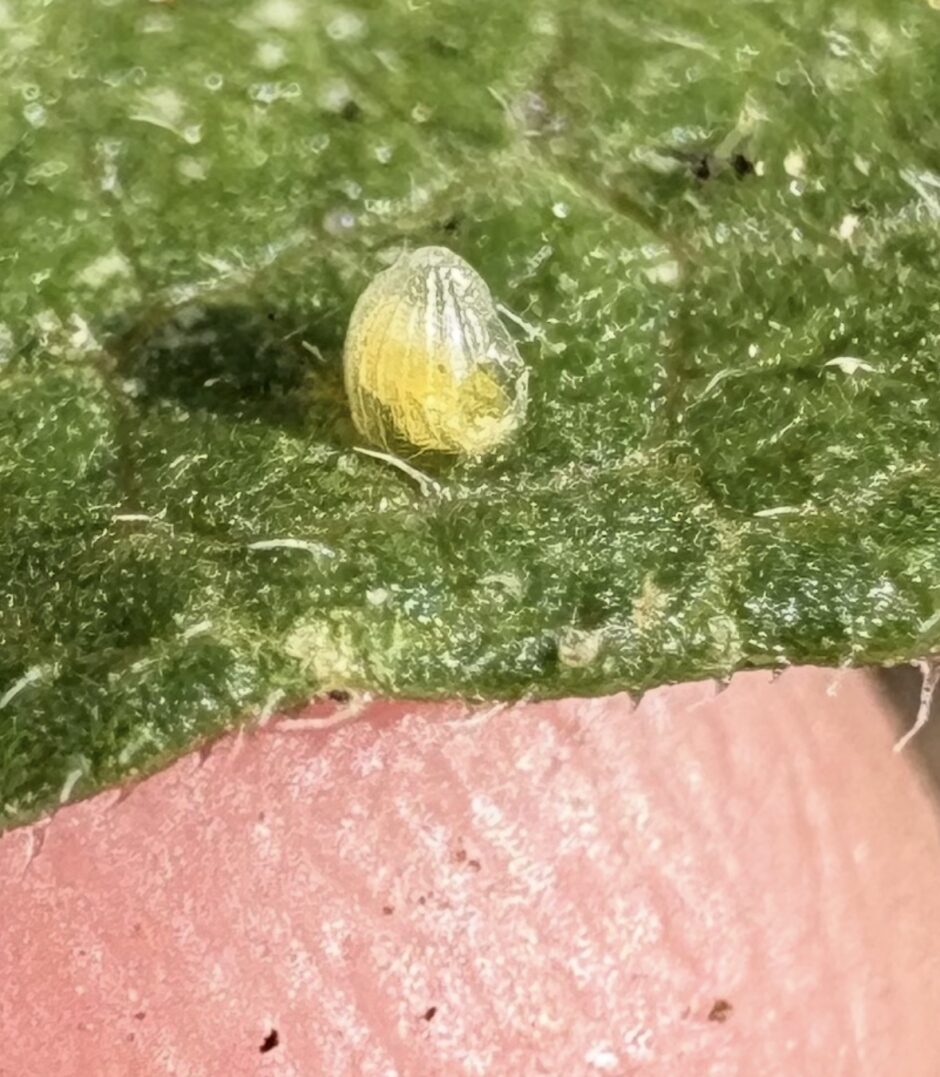
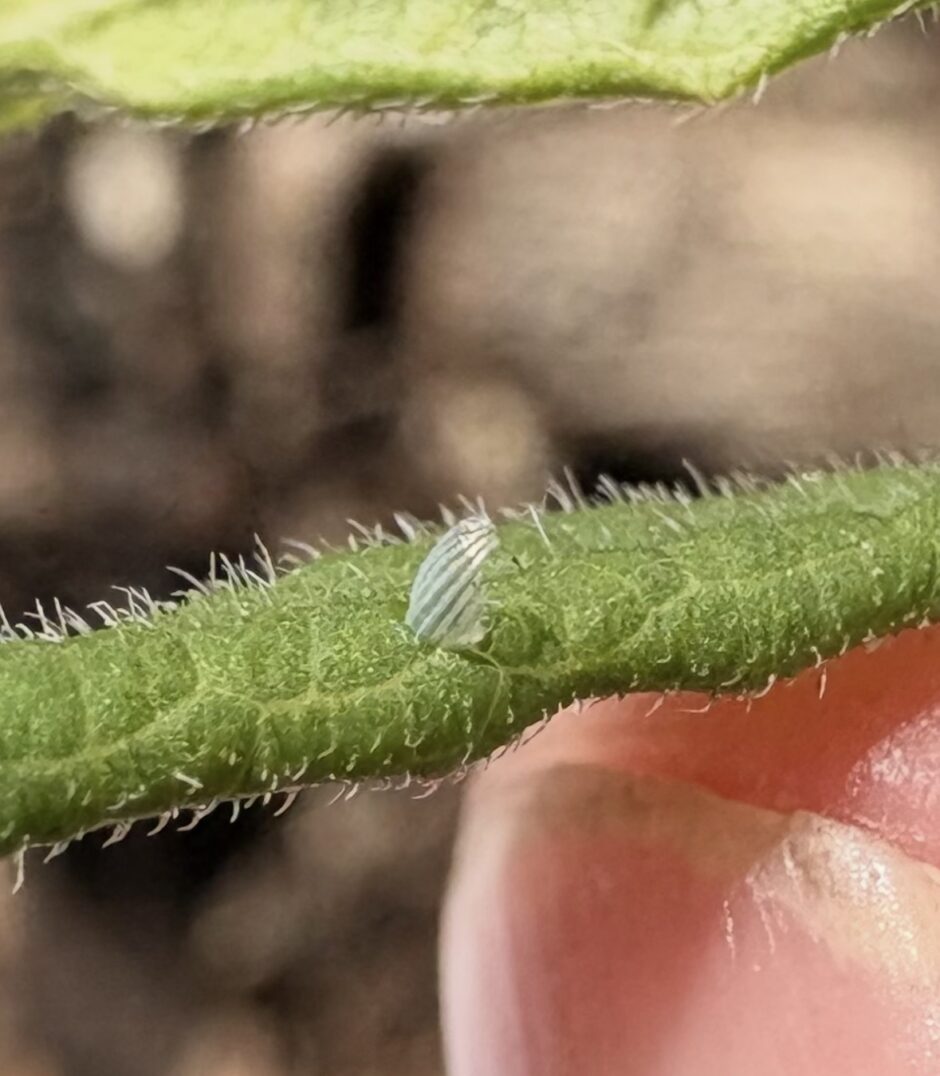
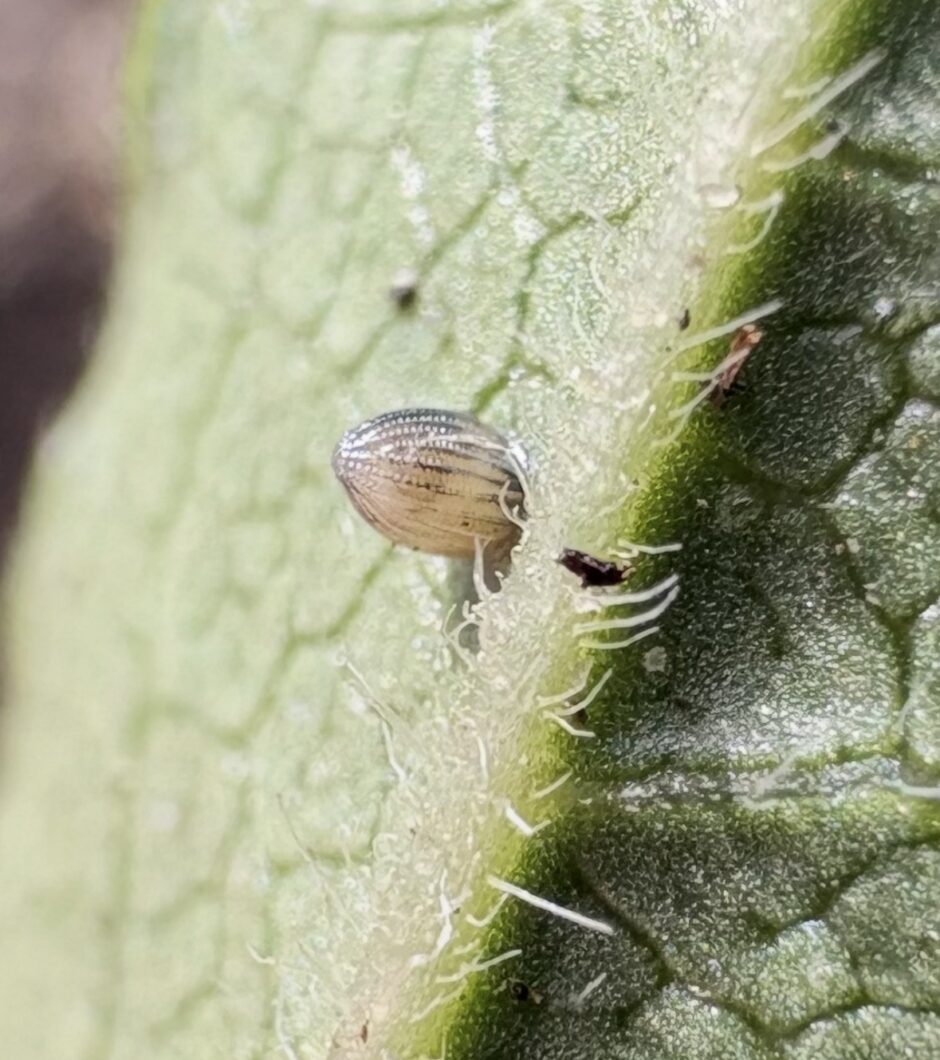
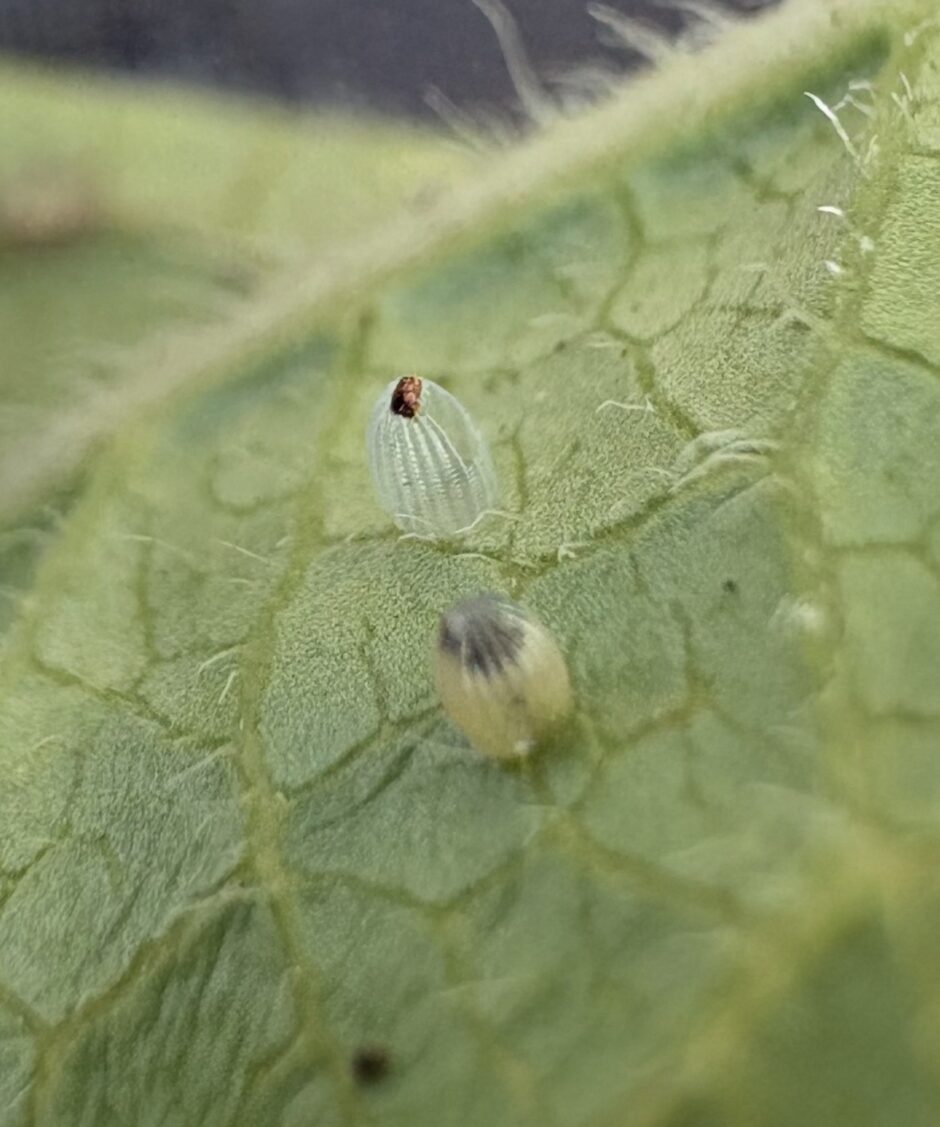
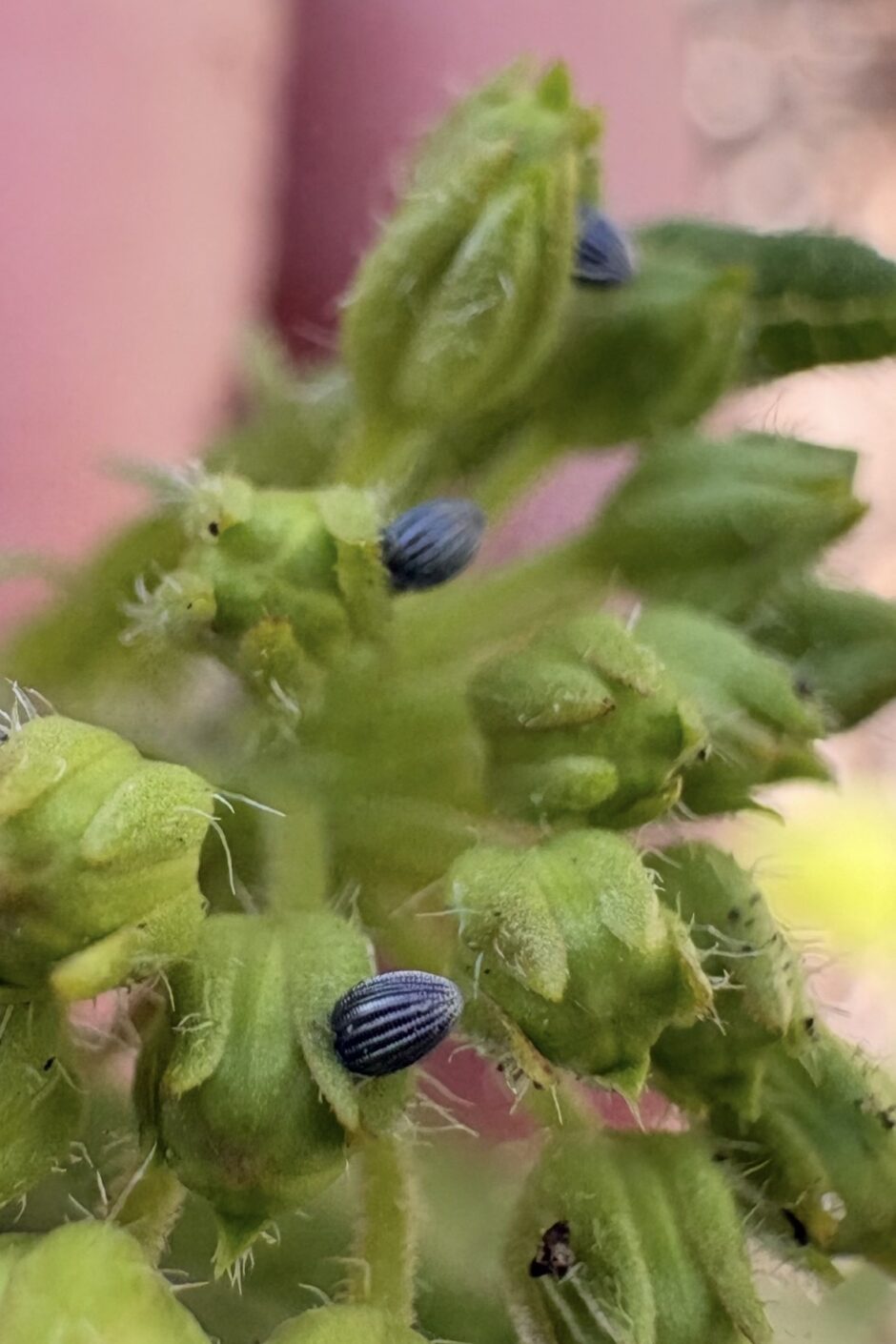
A monitoring tip for recording dead eggs: if you are confident you have found a dead egg, remove it from the plant so you do not count it again next week.
Back to all articles